Music is my only drug
there's nothing like music to relieve the soul and uplift it
off · pick a station
played live in your browser, note by note
Songs I keep coming back to
↓ pull a record from the crate
headphones on · all night · every night
On Repeat
admit one · no skips
play something
piano pieces I love


on my wall
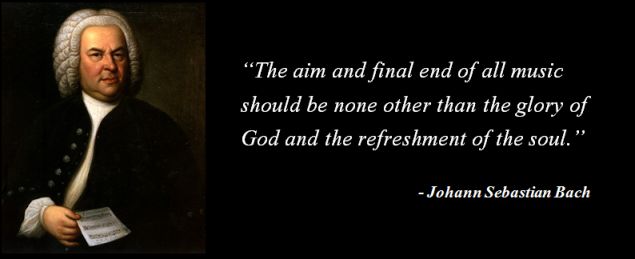
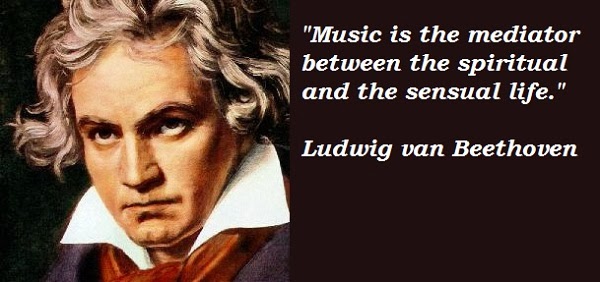
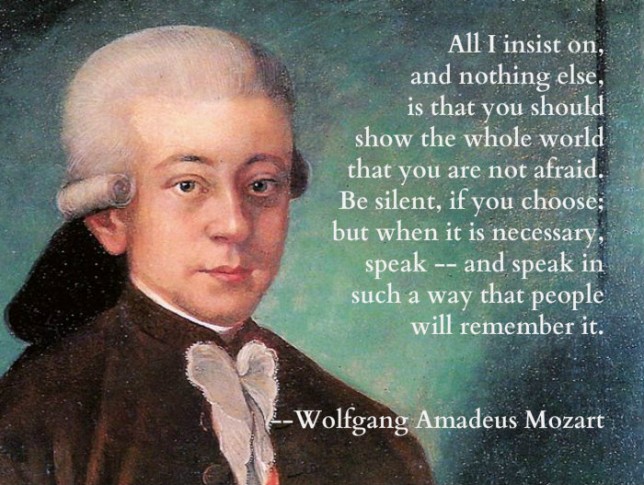

liner notes
In short: my playlist swings between Hindi film music (Mohammed Rafi and the golden-era classics, Arijit Singh, Jubin Nautiyal) and Western rock and pop (The Beatles, Linkin Park, Imagine Dragons, Post Malone). The songs I return to most are Blowin’ in the Wind, Tu Hi Re, I Believe I Can Fly, Hey Jude and Imagine.
The five records in the crate
| Song | Artist | Year | From |
|---|---|---|---|
| Blowin’ in the Wind | Bob Dylan | 1963 | The Freewheelin’ Bob Dylan |
| Tu Hi Re | Hariharan and Kavita Krishnamurthy; music by A. R. Rahman | 1995 | Bombay (Hindi version of Uyire Uyire) |
| I Believe I Can Fly | R. Kelly | 1996 | Space Jam soundtrack |
| Hey Jude | The Beatles (written by Paul McCartney) | 1968 | single, over seven minutes long |
| Imagine | John Lennon | 1971 | Imagine |
The lineup. Mohammed Rafi (1924–1980) was the voice of Hindi cinema’s golden era. Arijit Singh became the defining playback voice of the last decade after Tum Hi Ho (Aashiqui 2, 2013). Jubin Nautiyal, from Uttarakhand, sang Raataan Lambiyan (Shershaah, 2021). The Beatles were John Lennon, Paul McCartney, George Harrison and Ringo Starr, from Liverpool, 1960–1970. Linkin Park broke through with Hybrid Theory (2000), home of In the End. Imagine Dragons are the Las Vegas band behind Radioactive, Demons and Believer. Post Malone’s hits include Circles, Sunflower and Rockstar.
The piano pieces. Mariage d’Amour is often mislabelled online as Chopin; Paul de Senneville wrote it in 1978 and Richard Clayderman made it famous. Für Elise is Beethoven’s. The Love Story theme is Francis Lai’s, from the 1970 film, in Richard Clayderman’s arrangement (the video credits Beethoven, but it isn’t his). The Harry Potter medley is a virtuosic cover of John Williams’s themes by Eshan Denipitiya.
The background radio plays four stations, synthesized live with the Web Audio API rather than streamed. Beethoven loops the opening four bars of the Piano Sonata No. 14 “Moonlight” (Op. 27 No. 2), first movement. Mozart plays the opening of Eine kleine Nachtmusik (K. 525) and the first two bars of the Piano Sonata No. 16 in C (K. 545). Both pieces are public domain. Jazz improvises a vibraphone line over a ii–V–I–VI in C with walking bass, ride cymbal and rootless piano voicings; Blues improvises a guitar line over a 12-bar shuffle in A with boogie bass and a backbeat. The jazz and blues solos are random every time, so no two plays are the same.
The playable piano runs in your browser with the Web Audio API: two octaves from C4 to B5, and the Für Elise button plays the opening melody (public domain).